The ElevoraX Blog
Deep dives on AI-first engineering, technical debt, software security, enterprise architecture, DevOps automation, and the forces reshaping the software industry.
All Articles
25 articles · Page 2 of 5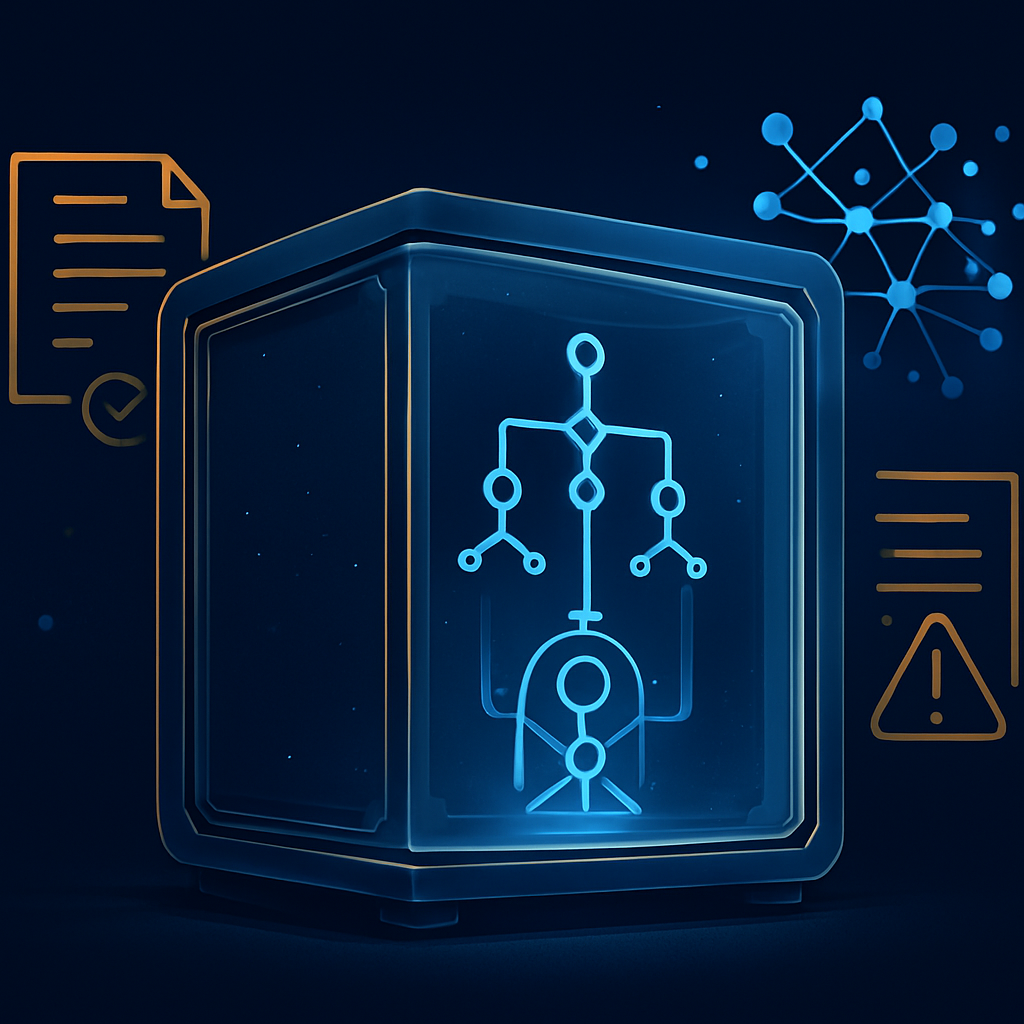 AI Engineering
AI Governance in 2026: Why Enterprises That Skip It Are One Audit Away From Disaster
Regulators are catching up with AI. The EU AI Act, India's DPDP Act, and enterprise procurement policies are all demanding auditable, explainable AI. Here is the governance framework every software team deploying AI in production must implement now.
 Software Architecture
Platform Engineering in 2026: The Internal Developer Platform Is Now a Competitive Advantage
The best engineering organisations in 2026 are not distinguished by their languages or frameworks — they are distinguished by their internal developer platforms. Here is what IDPs look like at scale and why your team needs one.
 AI Engineering
Vector Databases and RAG in Production: What Actually Works at Enterprise Scale in 2026
Every enterprise wants AI that knows their data. Most RAG implementations fail in production due to retrieval quality, latency, and cost problems that sandbox demos never reveal. Here is the honest guide to production RAG in 2026.
 Cloud & Infrastructure
Multi-Cloud Without the Mess: A Practical Guide to Cloud Cost Optimisation in 2026
Cloud bills are the fastest-growing line item on most engineering budgets. Multi-cloud architectures promised flexibility but delivered complexity. Here is how mature engineering organisations are bringing cloud costs under control in 2026.
 Software Security
Zero Trust Is No Longer Optional: Implementing Zero Trust Architecture in 2026
Perimeter-based security is dead. In 2026, with remote work, multi-cloud, and AI-generated code all expanding the attack surface, zero trust architecture is the only security model that scales. Here is the practical implementation guide.
 AI Engineering
From Vibe Coding to Agentic Engineering: Why 2026 Is the Year AI Software Development Grows Up
Vibe coding got teams to demos faster than ever. It also increased production bug rates by 41% and created a new category of technical debt. Agentic engineering — structured, governed, spec-driven AI development — is replacing it. Here is the shift.